Menopause, Vaginal Dryness & Intimacy: Causes and What Actually Helps
SlopyMints explains that menopause lowers estrogen, which can cause vaginal dryness and reduced saliva during intimacy. The article covers causes (hormonal decline, medications, stress), safe OTC options (vaginal moisturizers, sugar-free mints), what helps, and when to see a doctor.
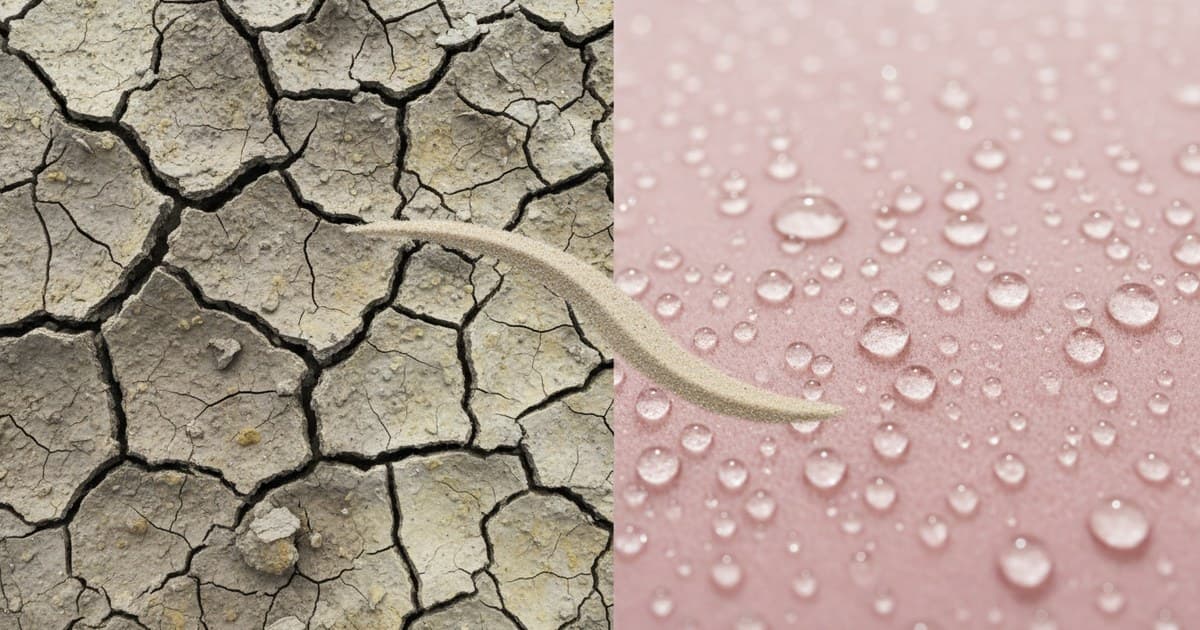
Menopause can reduce both vaginal and oral moisture. This guide separates medical options from discreet OTC supports — including when a sugar-free mint is part of the moment.
TL;DR: SlopyMints explains that menopause lowers estrogen, which can cause vaginal dryness and reduced saliva during intimacy. The article covers causes (hormonal decline, medications, stress), safe OTC options (vaginal moisturizers, sugar-free mints), what helps, and when to see a doctor.
Why menopause changes vaginal and oral moisture
Lower estrogen thins and dries mucosal tissues. Many people notice vaginal dryness first; oral dryness during intimacy is under-discussed but common, especially with sleep disruption, SSRIs, or antihistamines.
How dryness shows up during intimacy (not just penetration)
Dryness shows up as friction, shorter sessions, avoidance of oral intimacy, and performance anxiety — not only painful penetration.
Medical vs lifestyle causes to rule out
Rule out medications, dehydration, Sjögren’s symptoms, and infection-related pain with a clinician when symptoms are new or severe.
Treatment ladder: moisturizers, lube, saliva support, HRT conversation
Treatment ladder: (1) vaginal routine, (2) water-based lube for penetration, (3) discuss HRT or local estrogen with a clinician when appropriate.
Discreet products: format and dissolve time
Format and dissolve time: let SlopyMints FLOOD dissolve fully before intimacy. Pair with SlopyMints SLICK if glide is the bottleneck. A tin in your bag is quieter than a visible bottle.
When to consult a gynecologist or menopause specialist
See a gynecologist or menopause specialist for bleeding, severe pain, or dryness that does not respond to OTC care.
German version of this guide: Wechseljahre, Scheidentrockenheit und Intimität.
Frequently asked questions
Does menopause cause dry mouth during intimacy?
Yes. Lower estrogen and common medications can reduce saliva production, making oral intimacy uncomfortable. A sugar-free mint can make the moment feel fresher; discuss persistent symptoms with your prescriber.
Are there non-prescription options for menopause dryness?
Yes. Vaginal moisturizers, water-based lubricants, and sugar-free mints are common OTC supports. Prescription estrogen therapies may be discussed with a clinician for persistent symptoms.
Can oral dryness and vaginal dryness happen together in menopause?
Yes. Mucosal tissues throughout the body can become drier after estrogen decline, so both oral and vaginal moisture may need support.
How soon before intimacy should I take a mint?
Many sugar-free mints dissolve in about 60 seconds. Results vary by person.
When should I see a doctor for menopause dryness?
Seek clinical care for severe pain, bleeding, sudden onset dryness, or symptoms that do not improve with OTC moisturizers and lubricants.
Explore further
Health notice: SlopyMints offers functional confectionery for oral comfort, not medical treatment. Persistent symptoms, pain, or uncertainty warrant professional care. Do not replace prescribed treatment without medical guidance.