Dry mouth in perimenopause: keeping the conversation close
When your mouth feels different, even a familiar evening can change. Small practical habits, plain words and room for closeness.
Dry mouth in perimenopause can make itself known in surprisingly ordinary places: halfway through a story over dinner, at the end of a phone call, just before a familiar goodnight kiss. Hormonal changes around perimenopause and menopause can be linked to changes in saliva. That connection is worth knowing. It is also worth leaving room for other explanations.
Can perimenopause make your mouth feel dry?
There can be a connection. NSW Health describes changes in saliva around perimenopause and menopause. Medicines used during the same period can also play a part. Bring the symptom up rather than quietly adding it to a list of things you are expected to put up with.
The word perimenopause can swallow a whole conversation. Once it enters the room, every lost key and restless night seems to acquire the same explanation. Resist that tidiness. A dry mouth does not tell you its cause. You are allowed to say what has changed without naming the answer in advance. An appointment can begin with the simple fact that your mouth feels different.
What should you notice before an appointment?
Keep a small note, somewhere less demanding than a new app. Morning or evening? During meals, after talking, on waking? Did it begin after a medicine changed? You do not need a perfect record. A few concrete observations make it easier to explain than saying that everything feels strange. Bring the names of medicines and supplements along, and ask questions before changing anything prescribed.
Notice the rest of the evening too. The second coffee you drank without really wanting it. The glass of wine you kept because everyone else was having one. These are details to discuss, not evidence for blaming yourself. The aim is to describe your own day clearly enough that someone can help you understand it. You do not have to turn yourself into a research project.
What everyday habits are worth making easier?
Keep water where the day actually happens: beside the laptop, on the dinner table, within reach of the bed. Taking small sips is simpler when getting a glass does not mean leaving the conversation. A plain glass can be enough. There is no need to purchase a beautiful new system before doing an ordinary useful thing.
At dinner, give yourself time. If you want water halfway through speaking, take it. If a particular dish feels uncomfortable, leave it. You do not owe the table a running explanation. Ask your dentist or doctor about ongoing dryness, especially if eating, speaking or swallowing has become difficult. Pain or bleeding is a reason to arrange an assessment rather than keep experimenting at home.
The useful habit here is permission: to pause, to change the order of the evening, to stop pretending that an awkward mouth sensation is too minor to mention. Ordinary care need not become a second occupation. A glass placed before you sit down, an appointment made, a sentence said to someone you trust: these are manageable actions with an end to them.
How do you talk about dry mouth with a partner?
Choose the unremarkable part of the evening. While the pasta water warms, perhaps, or while one of you is looking for the television remote. Say that your mouth has been feeling dry and you sometimes need a pause. It is easier to have that conversation before a kiss than during one. Nothing needs to be apologised for.
A good response can be equally ordinary: shall I bring you water? Stay beside me. Tell me if you want to stop. No elaborate reassurance is required, and no joke about getting older has to be accepted politely. Desire can live beside a new practical detail. Your partner can learn that detail without being given responsibility for your whole experience.
Some evenings you may prefer the closeness of a shoulder against yours while you read. Other evenings a kiss feels right. Let each evening answer for itself. A long relationship is not a contract to behave exactly as you did when you first met. It is a place where a new sentence should be able to arrive without making the room smaller.
Where does a mouth-watering mint belong?
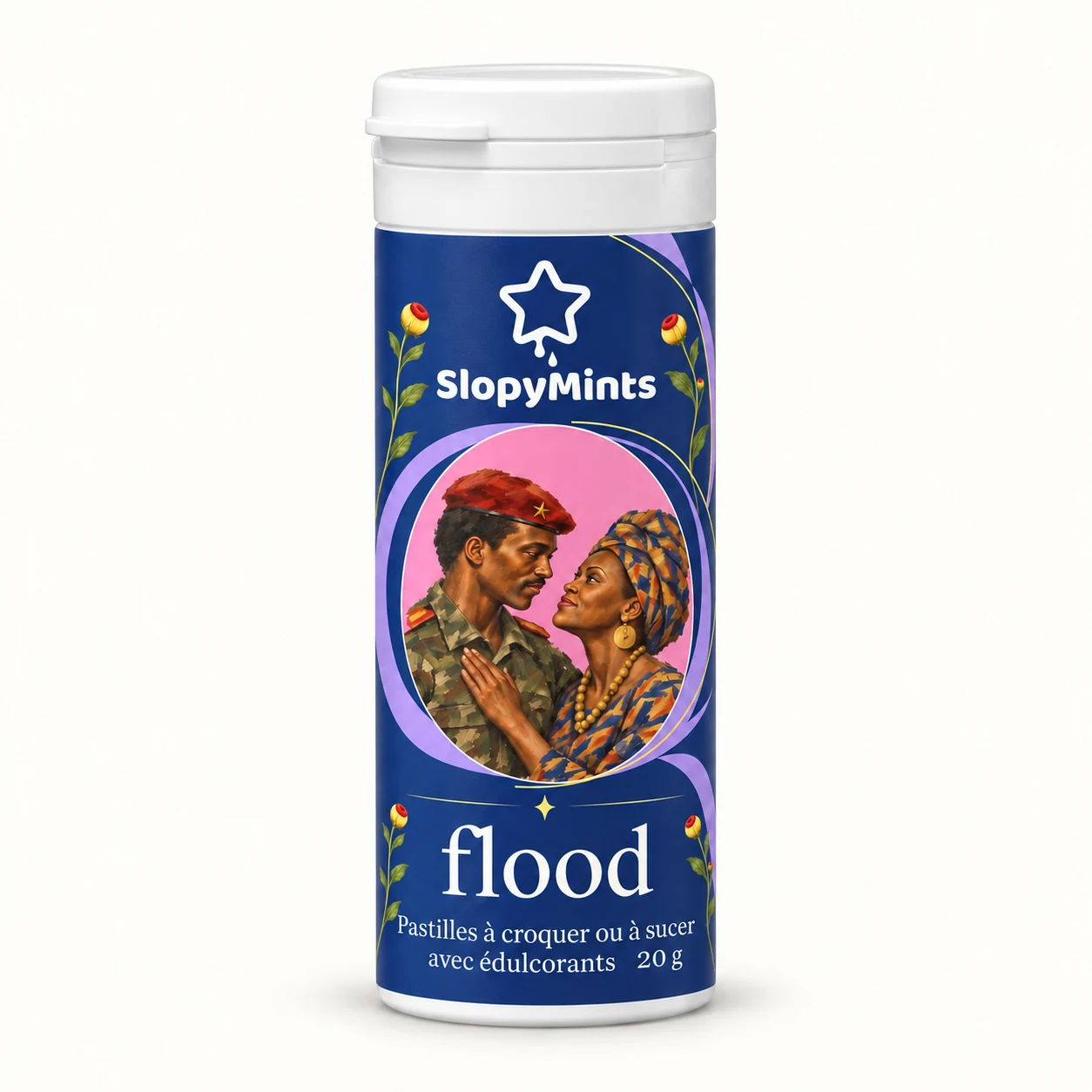
If you want one, SlopyMints FLOOD stimulates saliva and makes your mouth water. SlopyMints are sugar-free, formulated and made in France. Crunch the mint between your teeth while awake, and finish it before getting closer. Mint, strawberry and raspberry are simply flavour choices. SlopyMints SLICK has a different role, texture and glide; choose according to the sensation you want.
A fresh taste is a small pleasure. It does not explain why your mouth has changed, and a tube does not replace an appointment for persistent symptoms. Our guide to dry mouth during intimacy continues the conversation about closeness. For the product itself, the directions explain the gesture without turning your evening into a lesson.
Perhaps tonight ends with the book still open and the bedside water untouched. Perhaps you reach for it twice. Either way, there is no score to keep. You noticed something, named it and made a little space around it. The person beside you is still there, listening to the end of your story.
The questions you may have
Can perimenopause be linked to dry mouth?
Yes. Hormonal changes around perimenopause and menopause can be linked to changes in saliva. Dry mouth still has other possible causes.
Should I mention medicines at an appointment?
Yes. Bring the names of medicines and supplements you use, and describe when the dryness began. Do not change a prescribed medicine on your own.
What can I keep beside the bed?
A glass of water within reach is a practical starting point. Keep any mint for when you are awake and sitting comfortably, never while falling asleep.
What does FLOOD do?
It stimulates saliva and makes your mouth water, with a fresh taste. It is a sugar-free mint to crunch between the teeth, not an explanation for persistent dryness.
When should I make an appointment?
Arrange a dentist or doctor visit if dryness keeps returning, or affects eating, speaking or swallowing. Pain, bleeding or other new symptoms also deserve attention.