Bad breath home remedies: what's worth keeping?
A kitchen cupboard is full of suggestions. A quieter freshness routine begins by deciding which habits belong in your day.
Bad breath home remedies tend to arrive as a recipe: something from the cupboard, a confident instruction, a promise made in capital letters. Meanwhile, you are standing in the kitchen after lunch, wondering whether the taste of onion will accompany you all afternoon. What is worth keeping is less theatrical. Think familiar daily care, thoughtful food choices and a fresh taste when you fancy one. Keep the dramatic promises out of the shopping basket.
What makes a home habit worth keeping?
It should be easy to understand and comfortable to repeat. You should know what you are putting in your mouth and why. A familiar routine that fits beside breakfast has an advantage over an elaborate mixture you make once and abandon beside the sink. Look for instructions you can follow, rather than claims that ask you to believe the kitchen has suddenly become a laboratory.
Start by distinguishing a lingering flavour from a concern about persistent breath. The garlic from lunch, the last espresso and the suspicion that something keeps returning are different observations. A minty taste cannot tell you which one you are noticing. If bad breath persists, see a dentist or doctor. Healthdirect recommends a dentist for bad breath that does not go away. Book the conversation rather than endlessly changing the recipe.
Should I keep parsley, cloves or lemon in my routine?
You can like parsley in a salad without appointing it to a second job. A clove belongs in a dish because you enjoy its flavour. Lemon can stay in the recipe that called for it. Food traditions are full of pleasing tastes, but liking a taste is a much narrower statement than promising a change in somebody's breath. Keep that distinction when reading an enthusiastic tip passed around the family chat.
There is no obligation to chew through ingredients you dislike. If a suggestion stings, feels unpleasant or requires an increasingly concentrated mixture, stop and ask a pharmacist or dentist before going further. A strong sensation is not evidence that a method is doing something useful. It may simply be strong. The humble kitchen cupboard can remain a good place to assemble lunch without supplying an answer to every personal worry.
What about homemade rinses and online recipes?
Be wary of instructions that have no clear author, no sensible directions and a sweeping result attached. A video can make almost any mixture look authoritative when it is poured into a handsome glass bottle. That bottle tells you about presentation. It does not tell you whether the contents belong in your mouth. Avoid inventing concentrations or combining products because a comment under a video suggested it.
If you want to add a rinse to your usual care, ask a pharmacist or dentist which type is appropriate and follow its actual label. Use your familiar brushing routine as the anchor, rather than replacing it with a homemade production. There is a particular luxury in getting ready without arranging a row of little jars. The bathroom can be somewhere you finish, close the door and leave.
Which everyday habits deserve the space instead?
Give your usual care an unhurried place in the day. Keep the things you use where you can find them. Replace the frantic search for a toothbrush before leaving with a routine you recognise. These are modest organisational decisions, but they remove the temptation to improvise at the last minute. You do not need a new identity as the person who knows every natural recipe on the internet.
At the table, choose food and drink with the next part of your day in mind. If you dislike the aftertaste of a particular lunch before a close conversation, choose something else. If that lunch is exactly what you want, enjoy it and leave yourself a pause afterwards. For a more social version of the same question, read freshness habits before a date. Pleasure and practical choices can sit at the same table.
Are sugar-free mints part of a home routine?
They can be an optional taste moment. SlopyMints are made in France and intended to be crunched between the teeth. SlopyMints FLOOD stimulates saliva and makes your mouth water. SlopyMints SLICK is for texture and glide. Enjoy their freshness without turning it into a claim about the cause of bad breath. A flavour you like and a question for your dentist have separate places in the day.
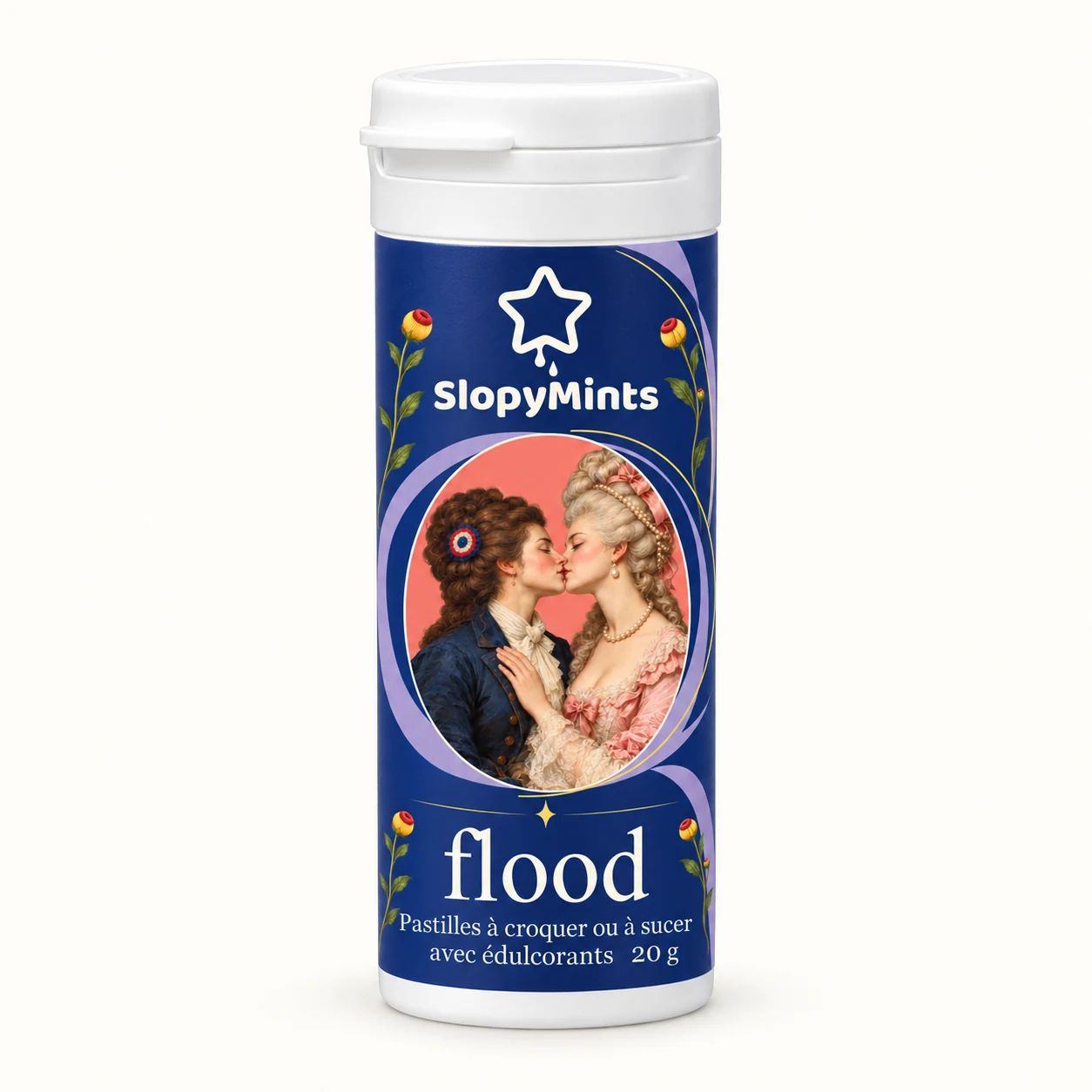
If you are comparing pocket formats, our guide to sugar-free gum and mints considers the practical choice. You can also browse the pack options at your leisure. Keep whatever fits your habits, leave the rest, and resist the idea that your home needs an emergency freshness cupboard. A glass, your familiar routine and a clear question when something persists make a much calmer starting point.
Questions about home habits
Is a strong taste proof that a home recipe works?
No. A strong sensation only tells you how it feels. Avoid unpleasant mixtures and ask a pharmacist or dentist about unfamiliar products.
Do I have to chew parsley after lunch?
No. Enjoy it as food if you like it. There is no need to turn an ingredient into a compulsory freshness habit.
Do mints fix bad breath?
These mints offer freshness and mouthfeel. FLOOD stimulates saliva and makes your mouth water. Persistent bad breath belongs in a conversation with a dentist or doctor.
When should I stop trying different home ideas?
If bad breath persists or something else worries you, arrange professional advice rather than continuing to swap recipes.
From reading to discovering.
Two formulas, three flavours each. FLOOD gets saliva flowing; SLICK gives it a smoother texture. Try one tube or build your own mix.