Mastering the Gag Reflex: Expert Tips for Deeper Intimacy and Comfort
Managing the gag reflex safely relies on relaxation, gradual desensitization, nasal breathing, pacing, and a clear stop signal. Reduce friction with hydration or glide support when needed, but never use numbing to override the body's protective response.

The gag reflex is one of the most common physical barriers to deep oral intimacy. It's a natural biological response designed to protect your airway, but in the context of intimacy, it can cause frustration, embarrassment, and physical discomfort. Many people believe they "just can't do it," but with the right techniques and tools, the gag reflex can be managed and even mastered.
Understanding the physiology behind the reflex and combining psychological grounding, physical relaxation, consent, and gradual practice can transform a stressful experience into one of deep connection and pleasure.
Understanding the Gag Reflex
The pharyngeal reflex, or gag reflex, is a contraction of the back of the throat triggered by touching the roof of the mouth, the back of the tongue, or the area around the tonsils. It's meant to prevent choking, but during intimacy, it's often triggered prematurely due to anxiety or tension.
Psychological Component
Fear often exacerbates the physical reflex. The worry that you might gag tightens the throat muscles, making you more likely to gag. Breaking this cycle is the first step.
Proven Techniques to Suppress the Reflex
1. The Thumb Squeeze Trick
Make a fist with your left hand, tucking your thumb inside your fingers. Squeeze your thumb tightly. This acupressure point is famous for distracting the brain and suppressing the gag impulse. It redirects your focus from your throat to your hand.
2. Controlled Breathing
Breathe through your nose. It sounds simple, but it's crucial. Rapid, shallow mouth breathing triggers panic. Slow, deep nasal breathing calms the nervous system and relaxes the throat.
3. Desensitization Training
You can train your reflex over time. Use a toothbrush to gently brush your tongue, moving slightly further back each day. Stop when you feel the urge, relax, and try again. Consistency is key.
Build Comfort Without Numbing
The gag reflex protects the airway, so never numb it or push through distress. Agree on a stop signal, progress in small steps, and pause immediately with pain, panic, coughing, or breathing difficulty.
Tips for Oral Comfort
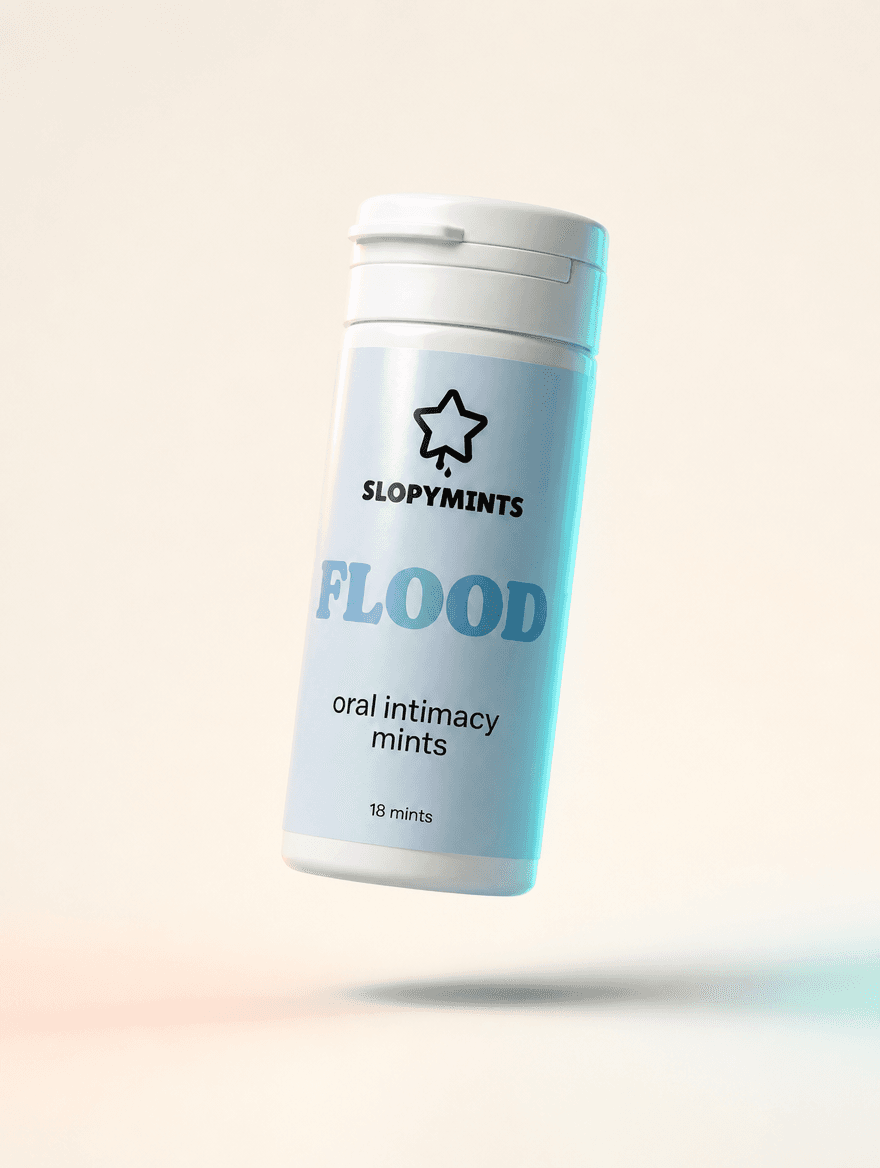
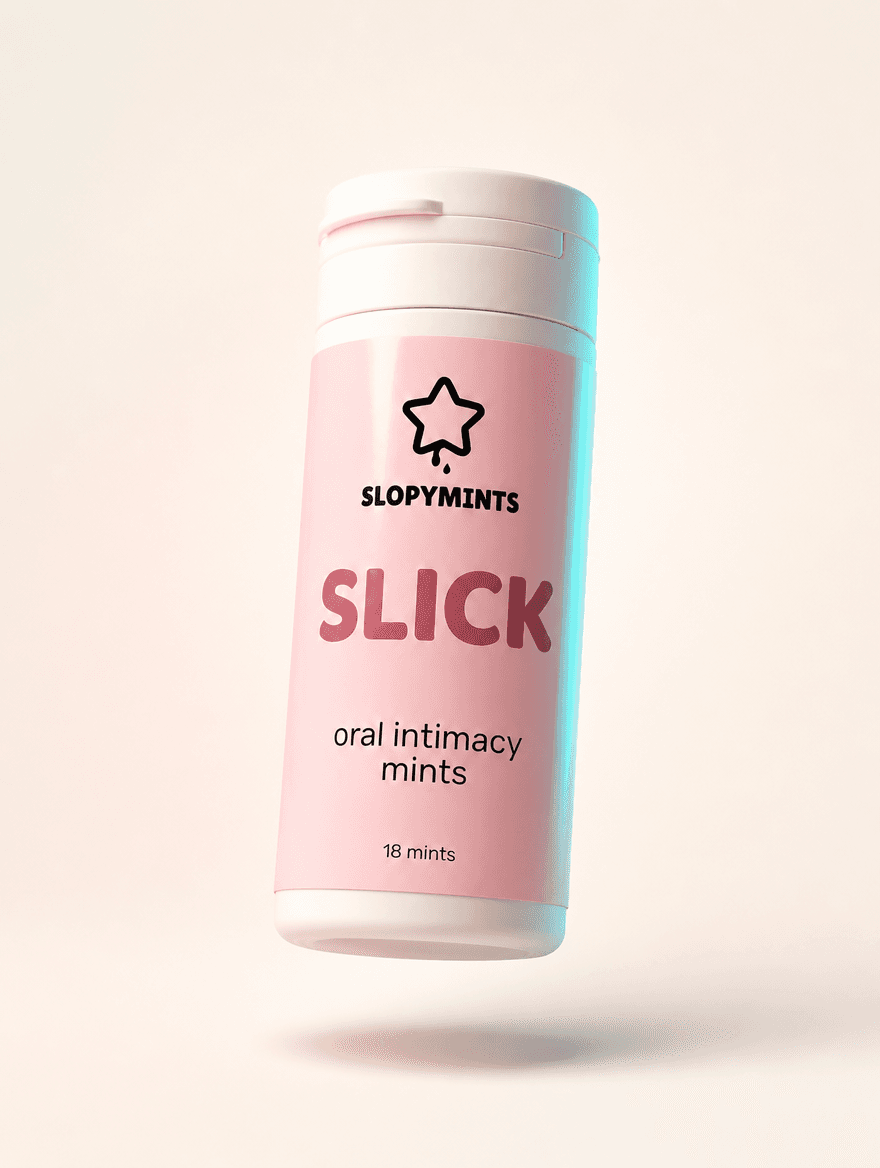
- Lubrication is Non-Negotiable: Dryness increases friction, which instantly triggers the gag reflex. Ensure you are well-lubricated with The Flood or The Slick.
- Head Positioning: Tilt your head back slightly to open the airway and align the throat.
- Communication: Use hand signals with your partner. Knowing you can stop at any time reduces anxiety, which in turn relaxes the throat.
Conclusion: Patience and Practice
Managing the gag reflex doesn't happen overnight. Be patient, practice relaxation gradually, and focus on connection rather than performance. If dryness or friction is the main issue, The Flood supports oral hydration and The Slick supports glide.
Shop Related Products
Read More Articles
What Causes Dry Mouth During Intimate Moments? Understanding the Hidden Triggers
Discover the surprising physiological, psychological, and environmental factors that cause dry mouth during intimate moments. Learn how stress, medications, and timing can affect your oral comfort and what you can do about it.
How Hydration Affects Oral Comfort: The Science Behind Moisture and Intimacy
Discover the critical role hydration plays in maintaining optimal saliva production and oral comfort during intimate moments. Learn how water intake, timing, and environmental factors combine to create the perfect moisture balance.