The Hidden Psychological Causes of Oral Tension During Intimacy
Your mind controls your mouth—psychological tension triggers the stress response, reducing saliva production and creating oral discomfort. Breaking this cycle requires addressing the mental barriers that cause physical symptoms.

The mind-body connection is powerful, especially when it comes to intimate comfort. While many people focus on physical causes of dry mouth and oral tension, the psychological factors are often the most significant—and the most overlooked. Your mental state doesn't just affect how you feel emotionally during intimacy; it directly controls your body's physiological responses, including saliva production.
Understanding the psychological causes of oral tension transforms how you approach intimate wellness. It's not just about treating symptoms—it's about addressing the mental patterns that create them in the first place.
The Stress Response: Your Body's Emergency Mode
When you feel anxious, nervous, or self-conscious during intimate moments, your body activates the sympathetic nervous system—the "fight or flight" response. This ancient survival mechanism prepares you for danger by:
How Stress Sabotages Oral Comfort
- Redirecting blood flow: Blood moves away from digestion and saliva production toward muscles and vital organs
- Constricting blood vessels: This reduces fluid delivery to salivary glands
- Increasing heart rate and breathing: This creates physical tension that affects jaw and mouth muscles
- Triggering hormone release: Cortisol and adrenaline reduce saliva production
The result is a dry, tense mouth that makes intimacy uncomfortable and self-conscious. The more anxious you become about your dry mouth, the worse it gets—a vicious cycle.
Performance Anxiety: The Ultimate Oral Saboteur
Performance anxiety is the most common psychological cause of oral tension during intimacy. This isn't just about physical performance; it's about the pressure to be "perfect" in every aspect of intimacy.
The Perfection Pressure
Performance anxiety creates a mental checklist during intimacy:
- "Am I doing this right?"
- "What if my mouth gets dry?"
- "Will they notice if I'm not perfect?"
- "What if I can't maintain comfort?"
This constant mental evaluation triggers the stress response, creating exactly the dry mouth you're trying to avoid. The irony is that the fear of oral discomfort becomes the cause of oral discomfort.
The Comparison Trap
Social media, adult entertainment, and cultural expectations create unrealistic standards. When you compare your real intimate experiences to these idealized versions, it creates anxiety that manifests physically in your mouth.
Past Trauma and Negative Associations
Your brain remembers everything, including past experiences that created negative associations with oral intimacy. These memories can trigger automatic responses that affect your current comfort.
Conditioned Responses
- Past embarrassment: Previous experiences of dry mouth or oral discomfort create fear of recurrence
- Negative feedback: Past partners' comments or reactions become internalized anxiety
- Traumatic experiences: Any negative oral experiences can create lasting psychological tension
- Learned helplessness: Believing "this always happens to me" becomes a self-fulfilling prophecy
The Memory Loop
Your brain's amygdala (the fear center) stores emotional memories. When you approach intimacy, it scans for threats and activates the stress response based on past experiences. This happens automatically, often before you're consciously aware of it.
Mental Barriers and Limiting Beliefs
The stories you tell yourself about intimacy and oral comfort create powerful psychological barriers. These limiting beliefs become self-fulfilling prophecies that affect your physical experience.
Common Limiting Beliefs
- "I'm not good at this": Creates anxiety about oral performance
- "Dry mouth ruins everything": Focuses attention on potential problems
- "My body betrays me": Creates distrust in your natural responses
- "I need to be perfect": Increases pressure and stress
- "Intimacy is stressful": Creates a negative association with pleasure
The Power of Self-Talk
The way you talk to yourself during intimate moments directly affects your body's responses. Negative self-talk triggers the stress response, while positive, compassionate self-talk promotes relaxation and natural saliva production.
The Body-Mind Feedback Loop
Psychological tension creates a feedback loop that amplifies oral discomfort:
The Escalation Cycle
- Anxiety begins: Mental tension about intimacy starts
- Stress response activates: Sympathetic nervous system kicks in
- Saliva production drops: Body redirects resources from non-essential functions
- Physical discomfort increases: Dry mouth and tension become noticeable
- Anxiety amplifies: Physical symptoms confirm mental fears
- Cycle repeats: More anxiety creates more physical symptoms
Breaking this cycle requires interrupting it at multiple points—both mentally and physically.
Breaking the Psychological Cycle
The good news is that psychological oral tension can be addressed. The key is creating new mental patterns that support comfort rather than sabotage it.
Mindfulness and Presence
- Practice being present: Focus on sensations rather than judgments
- Breathe consciously: Deep, slow breathing activates the parasympathetic nervous system
- Observe without judgment: Notice anxiety without fighting it
- Redirect attention: Focus on pleasure rather than performance
Cognitive Reframing
- Challenge negative thoughts: Question the validity of anxious beliefs
- Replace with positive affirmations: "My body knows what to do" instead of "I'm worried I'll fail"
- Focus on learning: View intimacy as exploration rather than performance
- Celebrate small wins: Acknowledge moments of comfort and ease
Relaxation Techniques for Oral Comfort
Specific relaxation techniques can directly counteract the stress response that causes oral tension.
Progressive Muscle Relaxation
- Jaw release: Gently open and close your mouth, then relax jaw muscles
- Tongue exercises: Move your tongue around to release oral tension
- Shoulder rolls: Release upper body tension that affects the mouth
- Full body scan: Systematically relax from toes to head
Breathing Exercises
- 4-7-8 breathing: Inhale for 4 counts, hold for 7, exhale for 8
- Box breathing: Equal counts for inhale, hold, exhale, hold
- Nasal breathing focus: Slow, conscious nasal breathing
- Pursed lip breathing: Creates back pressure that promotes relaxation
Building Mental Resilience
Long-term comfort requires building mental resilience that supports consistent oral ease.
Preparation Rituals
- Create comfort cues: Develop pre-intimacy routines that signal safety
- Use anchors: Objects or phrases that remind you of comfort
- Practice visualization: Mentally rehearse comfortable, confident intimacy
- Build positive associations: Connect intimacy with pleasure rather than pressure
Confidence Building
- Track successes: Keep a record of comfortable intimate experiences
- Celebrate effort: Recognize that showing up is success
- Practice self-compassion: Be kind to yourself during the learning process
- Focus on connection: Emphasize emotional intimacy over physical performance
When to Seek Professional Support
Sometimes psychological oral tension is part of a larger pattern that benefits from professional help.
Signs You Might Need Support
- Persistent anxiety: Oral tension that affects daily life and relationships
- Performance-focused thinking: Constant worry about being "good enough"
- Avoidance patterns: Steering away from intimacy due to oral anxiety
- Physical symptoms: Tension headaches, jaw pain, or chronic dry mouth
- Trauma history: Past experiences that continue to affect present comfort
Professional Options
- Therapy or counseling: Address underlying anxiety and performance issues
- Sex therapy: Specialized support for intimate concerns
- Mindfulness training: Learn techniques for staying present
- Biofeedback: Use technology to learn body awareness
The Mind-Body Solution
Addressing psychological oral tension requires both mental and physical strategies. While mental work changes your thoughts and responses, physical tools provide immediate relief and build confidence.
Combined Approach
- Mental preparation: Use relaxation techniques and positive self-talk
- Physical support: Have reliable oral comfort tools ready
- Practice integration: Combine mental and physical strategies regularly
- Patience and persistence: Building new patterns takes time
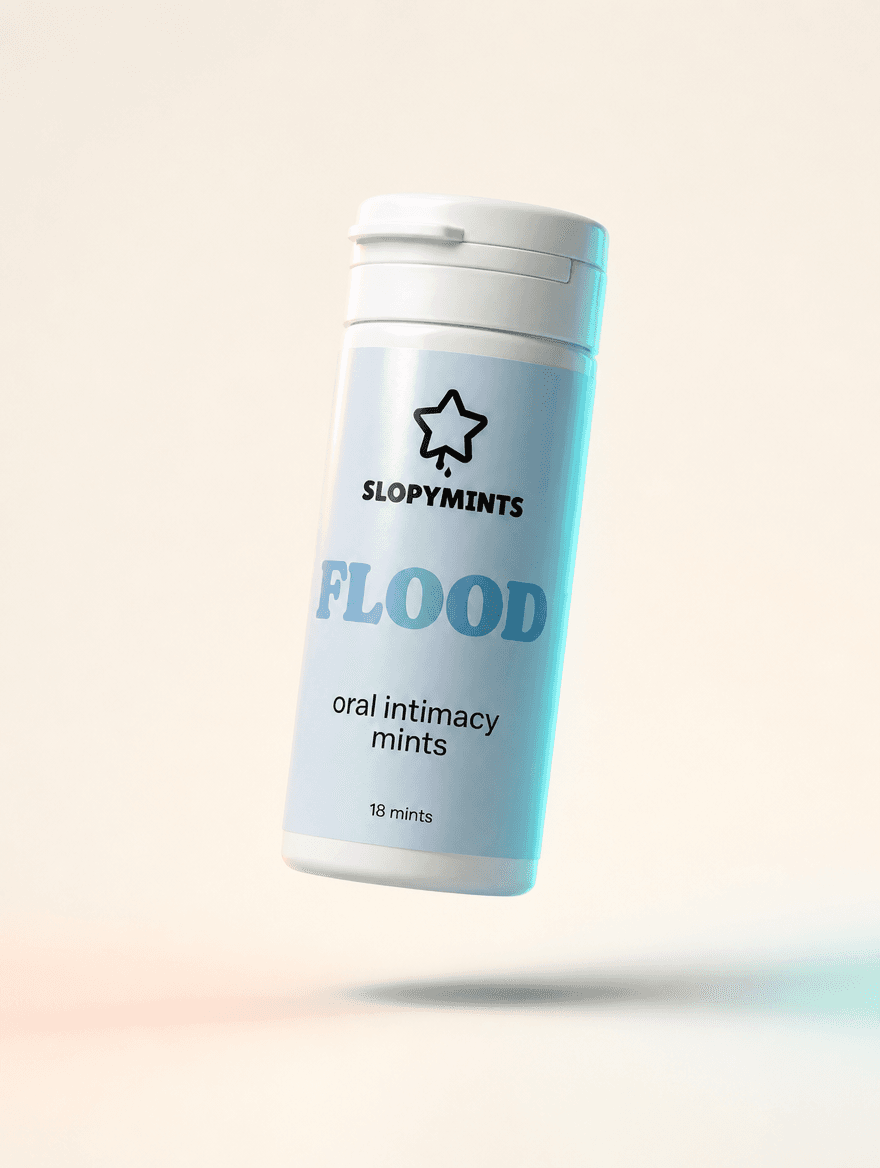
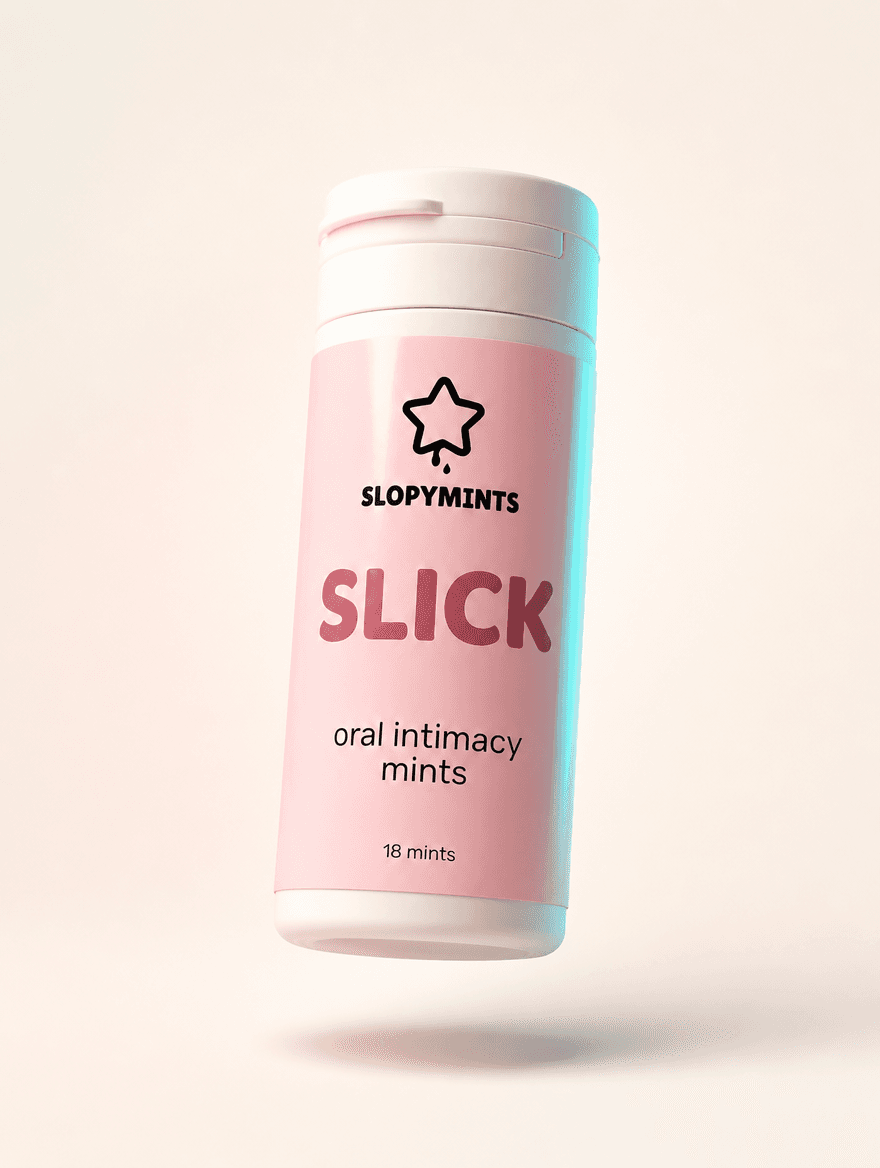
SlopyMints: Mental Comfort Through Physical Reliability
SlopyMints doesn't just provide physical moisture—it offers mental peace of mind. When you know reliable oral comfort is available, anxiety about dry mouth diminishes significantly.
This mental shift is powerful: confidence in your tools translates to confidence in yourself. SlopyMints creates the mental space where intimacy can be enjoyed without the distraction of oral discomfort.
Breaking the Mental Barrier
- Reliable comfort: Eliminates worry about dry mouth surprises
- Confidence boost: Knowing you can maintain comfort reduces anxiety
- Mental freedom: Focus on pleasure rather than potential problems
- Positive reinforcement: Successful experiences build mental resilience
Creating Your Psychological Comfort Plan
A comprehensive approach to psychological oral tension includes preparation, practice, and ongoing support.
Daily Mental Preparation
- Practice relaxation techniques regularly
- Use positive affirmations about intimacy
- Visualize comfortable, confident experiences
- Build body awareness through mindfulness
Pre-Intimacy Routine
- Use breathing exercises to center yourself
- Apply SlopyMints for physical confidence
- Remind yourself of past successes
- Focus on connection rather than performance
Ongoing Development
- Journal about your experiences
- Celebrate moments of comfort
- Learn from challenges without self-judgment
- Seek support when needed
The Freedom of Mental Comfort
When psychological oral tension is addressed, intimacy becomes truly enjoyable. You're no longer fighting against your mind and body—you're working with them. The result is intimate experiences that are confident, comfortable, and deeply satisfying.
Remember: your mind is the most powerful tool for oral comfort. Learning to work with it rather than against it transforms not just your intimate experiences, but your relationship with your body and pleasure.
Shop Related Products
Read More Articles
What Causes Dry Mouth During Intimate Moments? Understanding the Hidden Triggers
Discover the surprising physiological, psychological, and environmental factors that cause dry mouth during intimate moments. Learn how stress, medications, and timing can affect your oral comfort and what you can do about it.
How Hydration Affects Oral Comfort: The Science Behind Moisture and Intimacy
Discover the critical role hydration plays in maintaining optimal saliva production and oral comfort during intimate moments. Learn how water intake, timing, and environmental factors combine to create the perfect moisture balance.